

What to Expect in an Occupational Therapy Session: A Guide for Families
Recent Posts

Occupational therapy can play an important role in helping children develop the skills they need for everyday life, from managing emotions to building motor skills and becoming more independent at home and school. For many families, understanding what actually happens during an in-clinic OT session can ease uncertainty and make the therapy journey feel more familiar and supported.
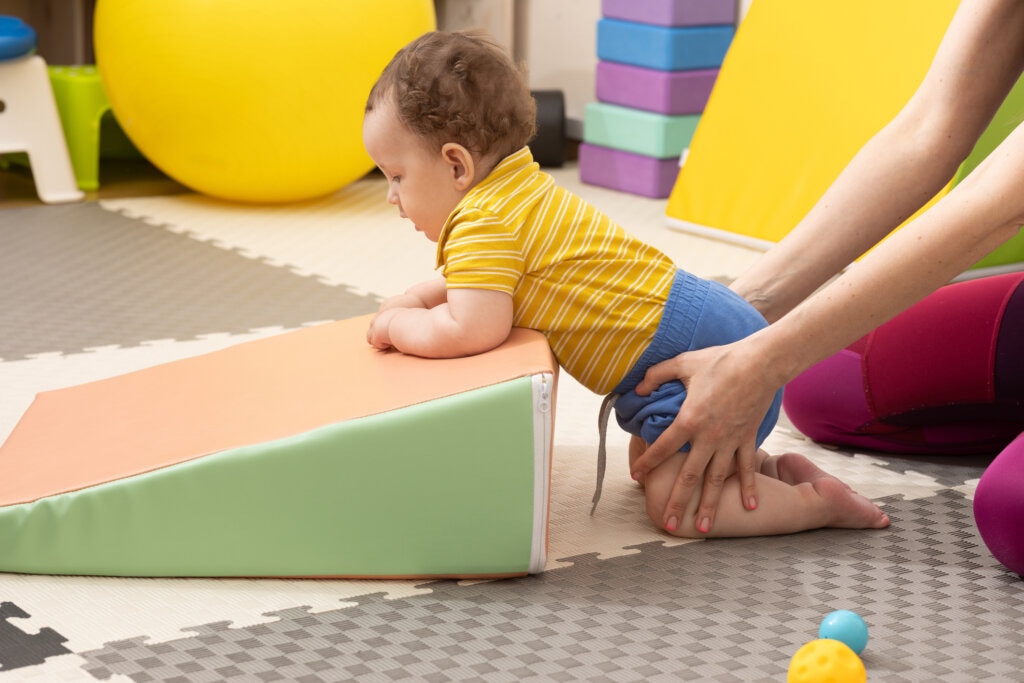
Most occupational therapy clinics are designed to be warm, welcoming and child-friendly. Many include purpose-built sensory gyms, climbing equipment, therapy swings and quieter spaces for focused activities. These rooms may look like play spaces, but every activity is intentionally selected to support your child’s development.
During a session, your child may explore sensory equipment, engage in movement-based tasks, complete fine motor activities at a table or practise emotional-regulation strategies. What they do on the day depends entirely on their individual goals and what their therapist feels will be most supportive.
How occupational therapy supports children
While every child’s needs are unique, several common skill areas are often addressed in paediatric OT. These areas naturally overlap, and your child may move between them throughout the session.
Sensory processing and regulation
Many children find certain sensory input, such as noise, touch, movement or bright lights, overwhelming or confusing. OT sessions help children understand their body’s signals, regulate their responses and feel more confident in different environments.
Motor skill development
Children may work on fine motor skills such as writing, drawing, grasping or cutting, alongside gross motor skills like balancing, climbing and coordination. These activities build the strength and motor patterns needed for school, play and everyday tasks.
Emotional and social skills
Therapy can support children to manage big feelings, handle frustration, express their needs and practise turn-taking or cooperative play. These skills are foundational for both home life and the school environment.
Handwriting and school readiness
For children preparing for Prep or early primary school, OT may focus on pencil grip, letter formation, following instructions, classroom participation and maintaining attention. These early learning foundations help children feel confident as they enter school.
Daily living and independence
Sessions may include routines such as dressing, feeding, toileting or organising school items. Building independence in these areas can make daily life smoother for both children and families.
Focus, attention and play skills
Play is a key part of learning. Therapists often use games, movement and structured play to help children develop engagement, problem-solving skills and meaningful play behaviours.
How many sessions does a child need?
No two sessions look the same. Occupational therapists adjust each activity to your child’s strengths, needs, goals and energy levels. Some days may involve climbing and exploring; other days may focus on quiet table tasks or emotional-regulation tools.
Parents and caregivers are also an important part of the process. Your therapist may discuss your child’s progress, provide updates, or share strategies to use at home. When everyone works together, the impact of therapy becomes stronger and more consistent across daily routines.
Final thoughts
Occupational therapy offers a flexible, child-centred approach that helps children build functional skills with confidence. By understanding what happens in a typical session, families can feel more prepared and supported throughout the therapy journey.
Whether your child needs help with sensory processing, motor skills, emotional regulation or daily routines, OT provides practical, evidence-based tools to support their development in meaningful ways.